
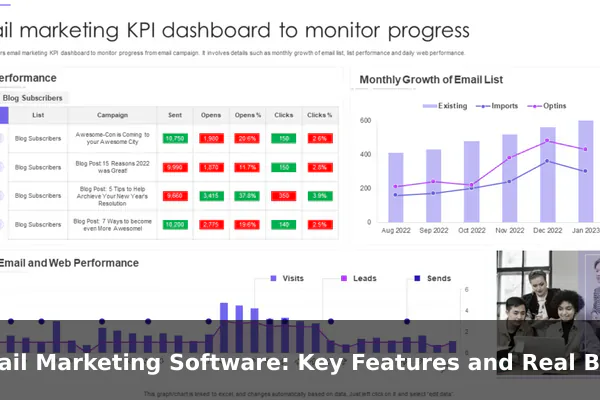
Email marketing remains one of the highest-ROI channels available to businesses of any size. Studies consistently show that for every dollar invested, the average return can exceed forty dollars — a figure that holds up even in a crowded digital landscape. But that return doesn’t happen automatically. It depends on sending the right message, to the right person, at the right time, and doing it at scale without burning through hours of manual effort.
That is exactly what email marketing software is designed to do. Rather than juggling subscriber lists in spreadsheets and designing emails from scratch, businesses use dedicated platforms to manage campaigns end to end. The goal isn’t just to send emails faster — it’s to make each email more relevant, more timely, and easier to improve over time. This article covers the core features that drive those results and explains the real business benefits that follow when the right tool is used well.
What Email Marketing Software Actually Does
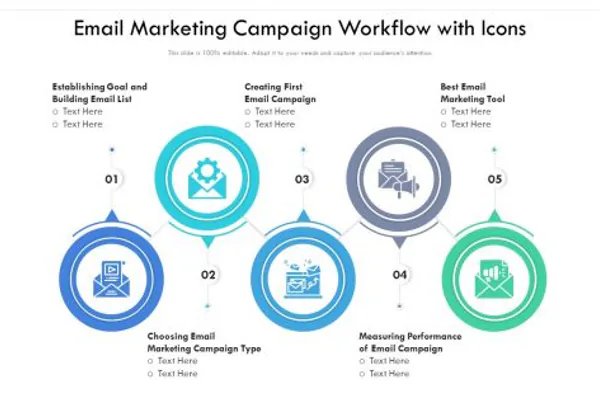
At its most basic level, email marketing software is a platform that lets you build, send, and track email campaigns to a list of subscribers. In practice, it handles far more than that. Modern platforms serve as a central hub for contact management, campaign design, audience segmentation, automated messaging, and performance reporting.
Businesses use these tools across the full customer lifecycle — welcoming new subscribers, nurturing leads, promoting products, re-engaging inactive contacts, and retaining existing customers. The software connects these stages so that the right message reaches the right person without anyone manually deciding who gets what and when.
Who Uses It
- Small businesses that want to stay in touch with customers without a dedicated marketing team
- Ecommerce brands that need product promotions, order confirmations, and cart recovery emails
- SaaS companies running onboarding sequences and feature announcements
- Content publishers distributing newsletters and driving traffic back to their sites
- Agencies managing multiple client campaigns from a single interface
The common thread is scale and consistency. Email marketing software makes it practical to communicate meaningfully with thousands or millions of subscribers without losing the personal touch that makes email effective in the first place.
Core Features That Matter Most
Not every feature on a platform’s marketing page is equally useful. A handful of core capabilities directly determine whether campaigns succeed or stall, and understanding what each one actually does helps separate necessary tools from unnecessary complexity.
List Management and Segmentation
A contact list is only useful if you can divide it meaningfully. Segmentation lets you group subscribers by behavior, demographics, purchase history, location, or engagement level. Sending a discount offer to a customer who just bought the same product at full price is a missed opportunity — segmentation prevents that kind of mismatch and increases relevance for every recipient.
Email Builder and Templates
Most platforms include a drag-and-drop email builder that lets you design professional emails without writing code. Pre-built templates provide starting points for common campaign types: newsletters, product announcements, welcome emails, and event invitations. A good builder makes it easy to customize layouts, add images, and maintain brand consistency without requiring a designer.
Personalization and Dynamic Content
Personalization goes beyond using a subscriber’s first name in the subject line. Advanced platforms let you insert dynamic content blocks that show different product recommendations, offers, or messages to different segments within the same send. This level of customization improves engagement because the email feels written for that specific reader rather than broadcast to a crowd.
A/B Testing
A/B testing lets you send two versions of an email to a small sample of your list and automatically deliver the better-performing version to the rest. You can test subject lines, send times, call-to-action buttons, and copy. Over time, these tests reveal what your specific audience responds to — more reliably than guessing based on general best practices.
Analytics and Integrations
Email marketing platforms track open rates, click-through rates, bounce rates, unsubscribes, and conversions. More advanced platforms connect email activity to revenue data. Integrations with CRM tools, ecommerce platforms, and form builders allow subscriber data to flow between systems automatically, eliminating manual data entry and keeping campaigns in sync with the rest of your business.
How Automation Improves Consistency and Scale
Email automation is often the difference between a tool that saves time and one that generates revenue while you focus on other work. Automation lets you set up email sequences that trigger based on subscriber actions or predefined schedules, then run on their own.
Welcome Sequences and Drip Campaigns
A welcome email sent immediately after someone subscribes sets the tone for the relationship. A three- or four-email welcome sequence can introduce your brand, highlight popular content or products, and encourage a first purchase — all without anyone pressing send manually. Drip campaigns extend this logic over days or weeks, guiding a subscriber through a structured journey from awareness to conversion. The content is planned once and delivered automatically to each subscriber at the right point in their journey.
Abandoned Cart and Re-Engagement Emails
For ecommerce brands, abandoned cart emails are among the highest-converting campaigns available. When a customer adds items to a cart but doesn’t complete the purchase, the platform detects that behavior and triggers a reminder — often within an hour, with follow-ups the next day. This sequence can recover a meaningful percentage of otherwise lost sales without any manual intervention. Re-engagement campaigns serve a similar purpose for inactive subscribers, either winning them back with a compelling offer or removing them to keep the list clean and deliverability strong.
Real Business Benefits Beyond Sending Emails
The features described above are means to an end. The real value of email marketing software shows up in measurable business outcomes, not just higher open rates.
- Higher engagement at lower cost: Compared to paid advertising, email has a very low cost per message once a list is built. Segmentation and personalization improve engagement rates, delivering more value from the same list without additional spend.
- Stronger customer relationships: Regular, relevant communication builds familiarity and trust. Subscribers who consistently find your emails useful are more likely to buy, upgrade, or recommend your brand to others.
- Reduced manual work: Automation eliminates repetitive tasks. The time saved can be redirected to strategy and content creation — especially valuable for small teams running sophisticated multi-step campaigns.
- Better decisions from clear data: Instead of guessing whether a campaign worked, you can see exactly how many people opened it, clicked, and converted. That data improves every future campaign.
Important Features to Compare Before Choosing a Platform
The email marketing software market is crowded, and platforms vary widely in capability and cost. Comparing the right factors makes the decision cleaner and reduces the risk of having to switch later.
Ease of Use and Deliverability
A platform with powerful features that takes weeks to learn is only useful if you have the time to master it. For most businesses, an intuitive interface that produces campaigns quickly is more valuable than advanced functionality that never gets used. Deliverability is equally important — how reliably your emails reach the inbox rather than the spam folder. Reputable platforms support authentication standards like SPF, DKIM, and DMARC, and provide tools to monitor list health. Poor deliverability undermines every other feature because your messages never arrive.
Reporting Depth and Compliance Tools
Basic platforms show open and click rates. More advanced ones connect email activity to revenue and break performance down by segment. The depth you need depends on how data-driven your marketing process is. On the compliance side, email marketing is regulated in most markets — GDPR in Europe and CAN-SPAM in the United States set clear rules around consent and data handling. Good platforms include built-in tools for managing consent, honoring unsubscribes automatically, and supporting compliance requirements.
Pricing Structure
Most platforms price by subscriber count, by emails sent per month, or both. Before committing, project what you’ll pay at two or three times your current list size to avoid surprises. Some platforms offer generous free tiers that work well early on but become expensive quickly at scale.
Common Mistakes That Limit Results
The software provides the tools, but results depend on how they are used. Several consistent mistakes hold email marketing performance back regardless of which platform is being used.
- Poor list hygiene: Sending to inactive or invalid contacts hurts deliverability and inflates unsubscribe rates. Regularly removing unresponsive contacts keeps metrics accurate.
- Weak segmentation: Sending the same message to your entire list ignores the fact that different subscribers have different needs. Even basic segmentation by purchase history or engagement level improves relevance significantly.
- Ignoring mobile design: More than half of emails are opened on mobile devices. Emails designed only for desktop often appear broken on smaller screens, reducing engagement and damaging brand perception.
- Tracking vanity metrics: Open rate is a useful signal but not the whole picture. Focusing on opens while ignoring conversions and revenue leads to optimizing for the wrong outcome.
Who Benefits Most From Email Marketing Software
Email marketing software is versatile, but the benefit is not equal across every context. Small businesses and freelancers gain access to professional-grade communication tools at a fraction of what other channels cost. A local restaurant can send weekly specials; a boutique retailer can run a seasonal sale campaign — all achievable with a basic plan and a small list.
Ecommerce brands often see the clearest revenue impact, as welcome sequences, cart abandonment recovery, and post-purchase follow-ups translate directly into sales when connected to real purchase and behavior data. SaaS companies use lifecycle email sequences to guide users from trial to paid plan, reduce churn, and encourage upgrades — because the relationship between a user and a software product evolves through predictable stages that automation handles well. Content publishers and newsletter businesses treat their subscriber list as an owned audience that doesn’t depend on social media algorithms or search rankings to reach.
Final Takeaway
Email marketing software is not valuable because of how many features it offers. It is valuable because the right features — list segmentation, automation, personalization, A/B testing, and clear reporting — work together to make every campaign more targeted, more consistent, and more measurable than anything possible with a standard inbox.
The best platform for your business is the one that fits your current audience size, your team’s comfort level, and your specific campaign goals. Start with what you’ll actually use, build good habits around list hygiene and segmentation, let automation handle the repetitive work, and measure outcomes that matter to your business rather than just what’s easy to track. That combination — the right tool, used well — is where the real return on email marketing comes from.
